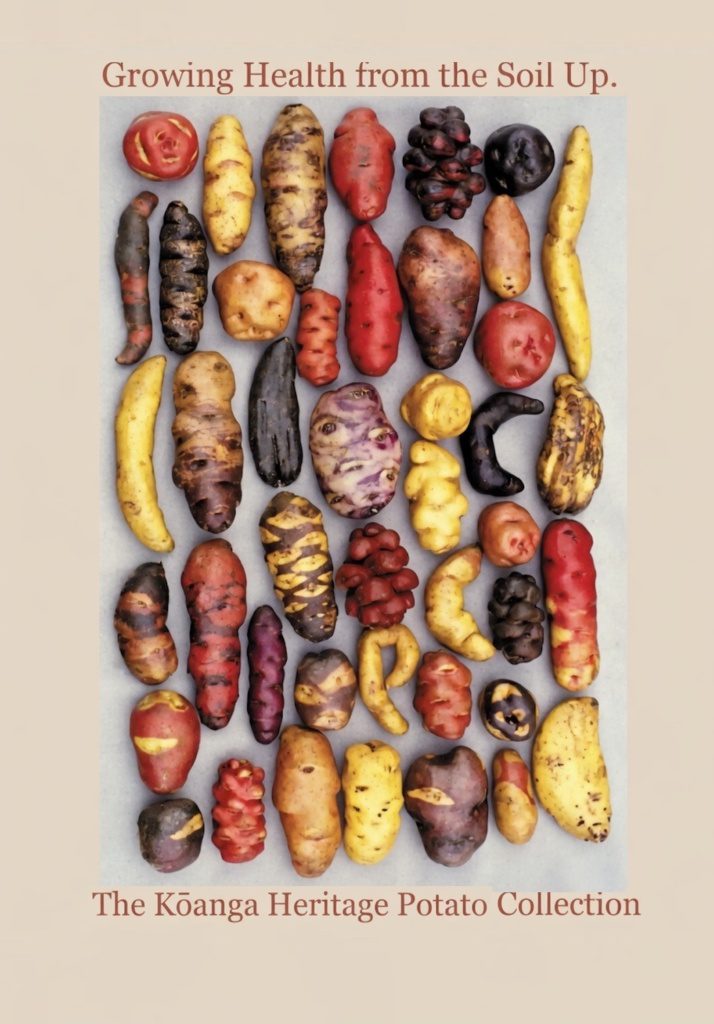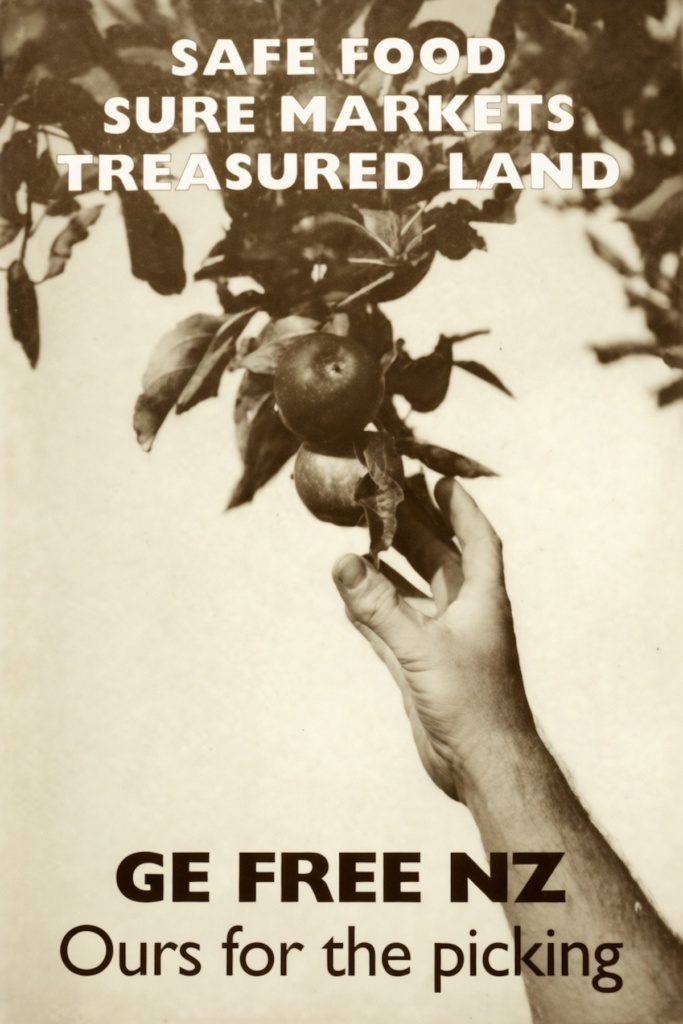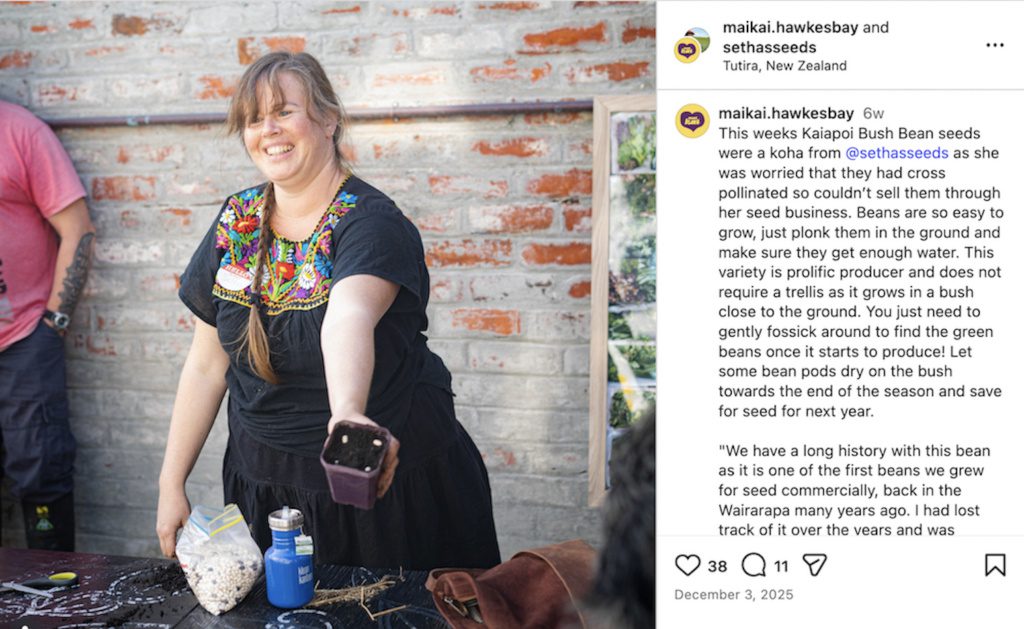
New Zealand’s GE-free status is not just a benefit to conventional farmers and to exports. Prevention of GE contamination in crops and seeds protects home gardeners, organic growers, regenerative farmers, Hua Parakore producers and the integrity of heritage seeds.
They all benefit from New Zealand being GE-free.
New Zealand has strict biosecurity controls to protect our primary producers. GE organisms could become new pest species unless we learn the lessons from the history of introduced species that accidentally became pests.
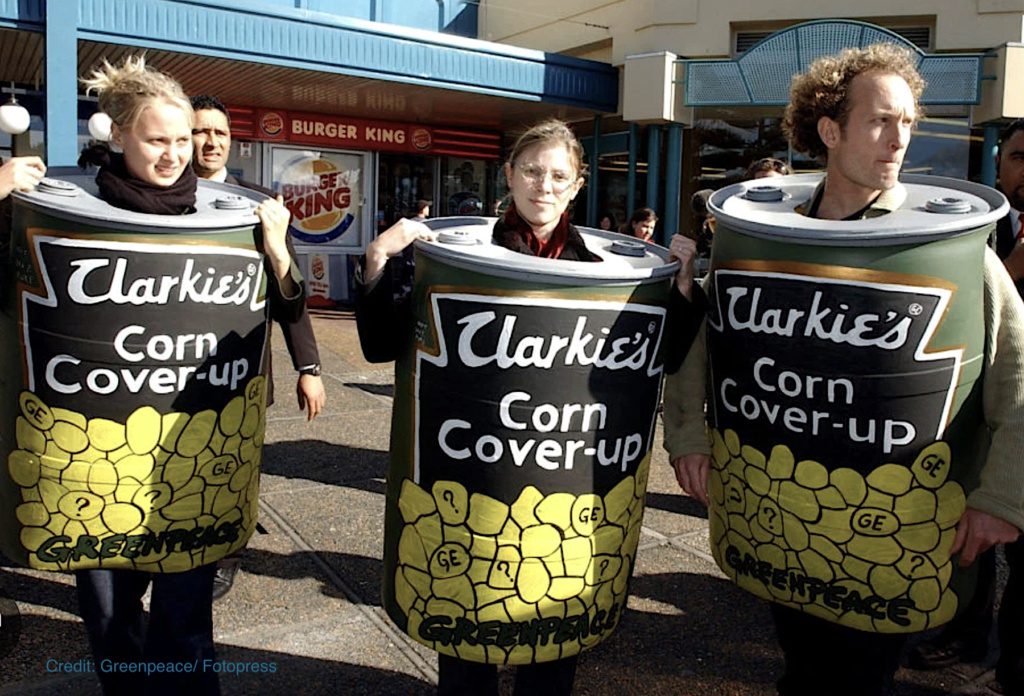
The importance of preventing GE contamination in imported seed was highlighted by the ‘Corngate” incident. As a result New Zealand set a gold standard of zero-GE contamination for imported seed.
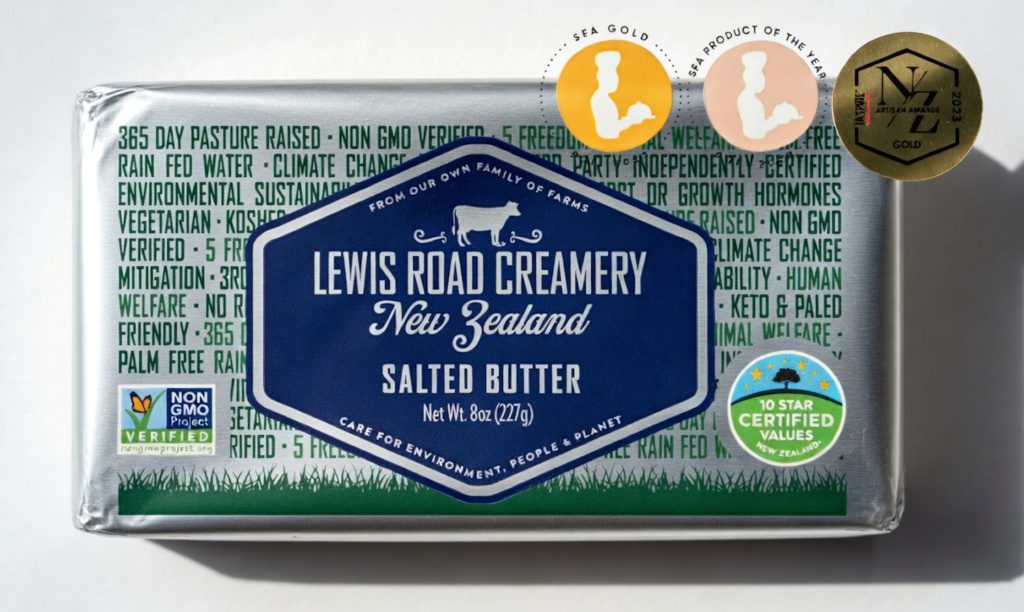
Kiwi brands exporting to the USA, including Fonterra and Lewis Road Creamery now market our products with the Non-GMO Project logo. A growing number of American consumers are looking to New Zealand for safe, natural food.
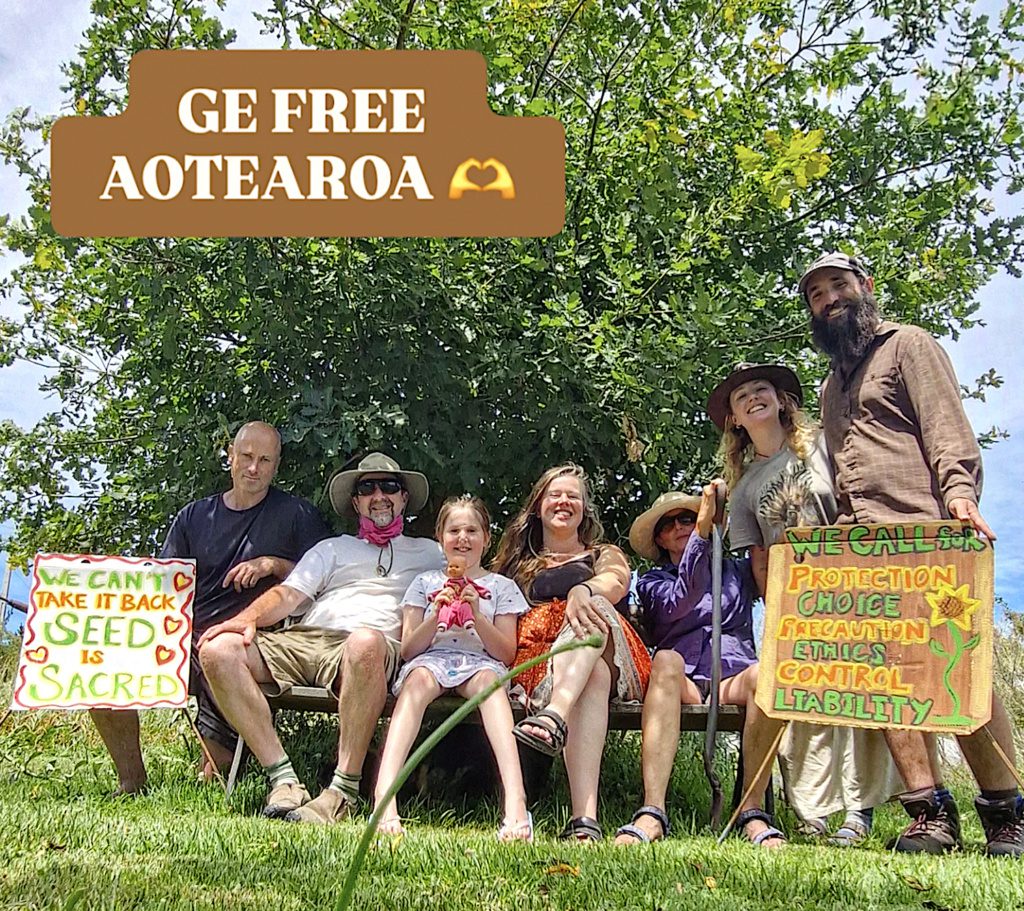
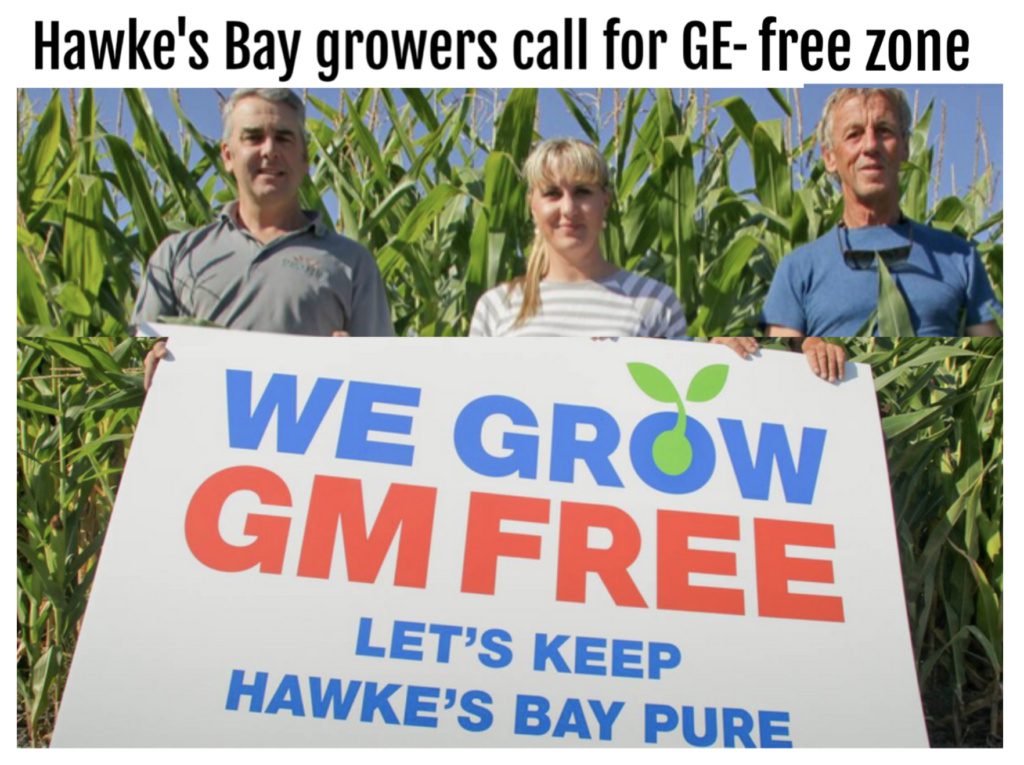
To maintain an export advantage some regions have put in local precautions against GE risks. ‘GE-Free Zones’ have been established by communities to protect their growers and ratepayers from costs of clean-up and to support regional development.
But GE-free zones are facing the chop. The Gene Technology Bill would abolish protections including in Hastings, Northland and Auckland. (The new HSNO Amendment Bill does not provide these local protections either).